Cleaning your carpets doesn't have to be complicated. If you're wondering how to use a carpet cleaner, we've got you covered. With the right preparation and technique, you can have your carpets looking brand new in no time. This guide walks you through the steps you need to know, from setting up your room to the final drying phase.
How to Prepare Before Using a Carpet Cleaner
Proper preparation ensures your carpet cleaning is effective and efficient. By taking a few simple steps before you start, you'll get the best possible results.
Remove Small Furniture and Clear the Area
First things first: clear the area. Move any small furniture, like coffee tables or chairs, out of the way. This will give you more room to maneuver the carpet cleaner and ensure every part of your carpet gets cleaned.
Vacuum the Carpet Thoroughly
Before you even think about using the carpet cleaner, vacuum the carpet thoroughly. This step removes dust, dirt, and loose debris, ensuring that the cleaner can focus on deeper cleaning. Skipping this step may lead to clogs in the machine and missed spots on your carpet.
Treat Stains Before Cleaning
If you have any noticeable stains, be sure to treat them before you begin cleaning. Apply a carpet stain remover and let it sit for the recommended time. Blot the stain with a clean cloth to lift as much of it as possible before running the cleaner over the area.
How to Use a Carpet Cleaner Step by Step
Now it's time to get cleaning. Follow these steps to use your carpet cleaner correctly for the best results.
Fill the Machine with Water and Cleaning Solution
Start by filling the carpet cleaner's tank with warm water and the recommended cleaning solution. Be sure to follow the manufacturer's instructions when mixing the solution to avoid using too much or too little. The right balance ensures your carpet gets cleaned without leaving behind residue.
Clean the Carpet Section by Section
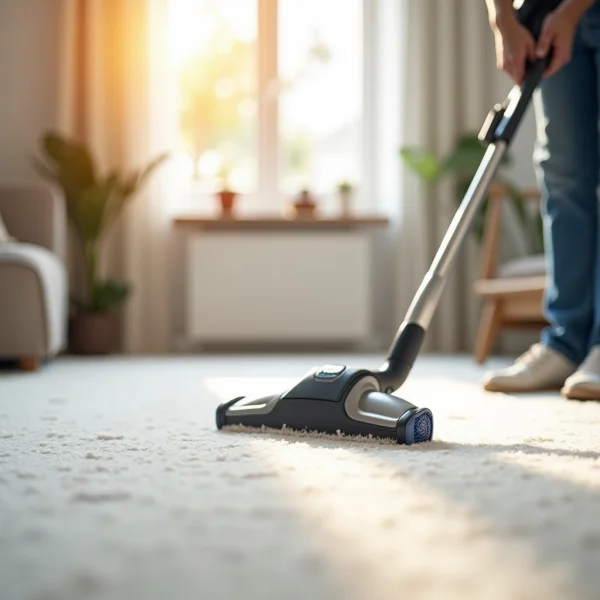
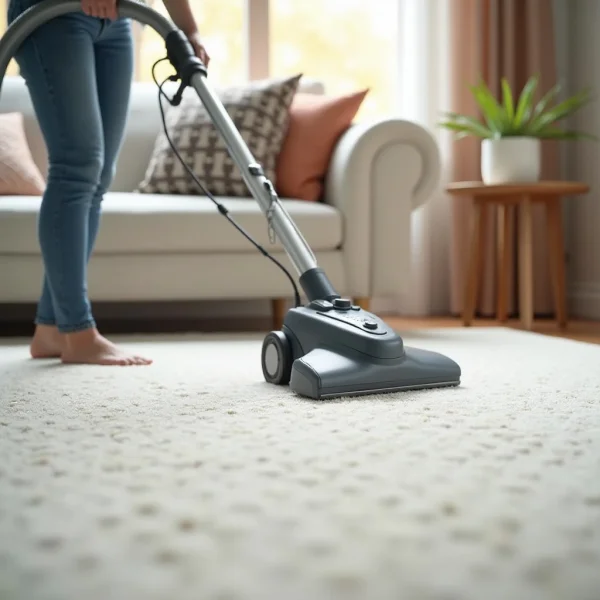
Begin cleaning one section at a time. Start at the edge of the room and slowly push the cleaner forward, making sure to overlap each pass slightly. This ensures that you cover all areas without missing spots. Move at a steady pace to allow the machine enough time to extract dirt.
Make a Second Pass to Remove More Water
Once you've cleaned an area, go over it again without releasing any cleaning solution. This step helps remove excess water, speeding up the drying process and preventing the carpet from becoming too wet.
Repeat the Process Until the Area is Finished
Continue cleaning the carpet in sections until you've covered the entire area. When the dirty water tank is full, empty it and refill the clean water tank to keep the cleaning process going smoothly.
How to Get Better Results While Cleaning
Want to maximize your cleaning results? Follow these tips to improve both the efficiency and effectiveness of your carpet cleaning.
Avoid Over-Wetting the Carpet
One of the most common mistakes people make is over-wetting the carpet. Too much water can cause the carpet to stay damp for longer and even lead to mold. Be mindful of how much water you're using and try to make extra passes without releasing water to help with drying.
Empty the Dirty Water Tank Regularly
If you don't empty the dirty water tank regularly, it can reduce the machine's suction power, making it less effective. Be sure to empty the tank once it’s full to maintain peak performance.
Refill the Clean Water Tank When Needed
As you clean, keep an eye on the clean water tank. When it starts running low, refill it to ensure you're using fresh water and cleaning solution for the best results.
What to Do After Using a Carpet Cleaner
Once you're finished cleaning, there are a few steps to take to ensure the carpet dries properly and remains in good condition.
Improve Airflow to Help the Carpet Dry
To speed up drying time, open windows, turn on fans, or use an air mover. The more airflow you can create, the faster your carpet will dry. Avoid closing the room off completely, as it may trap moisture and slow the process.
Keep Foot Traffic off the Carpet Until It is Dry
It's tempting to walk on your freshly cleaned carpet, but it's best to avoid foot traffic until it's completely dry. Walking on damp carpet can leave footprints, introduce dirt back in, or even cause the carpet to mat down.
Return Furniture Only After the Carpet is Fully Dry
Don't put the furniture back in place until your carpet is completely dry. Moving furniture onto wet carpet can cause it to become stained again and lead to issues with mold or mildew growth. Be patient and wait until everything is dry.
Common Carpet Cleaner Mistakes to Avoid
Avoid these common mistakes to ensure that you're using your carpet cleaner correctly and getting the best possible results.
Using Too Much Water
More water doesn't always mean a cleaner carpet. If you use too much water, the carpet can become oversaturated, taking longer to dry. Stick to the recommended water settings and be sure to empty the tank regularly.
Using Too Much Cleaning Solution
While it might be tempting to use more cleaning solution, it can cause soap residue buildup in the carpet fibers. This attracts dirt quickly and can even make the carpet feel sticky. Always follow the manufacturer's instructions for the correct amount of solution.
Moving the Machine Too Quickly
If you move the carpet cleaner too fast, you won't give it enough time to do its job. The machine needs to move at a steady pace to ensure it can properly extract dirt and water from the carpet.
Common Carpet Cleaner Problems and Fixes
Even the best carpet cleaners can have their issues from time to time. Here are some common problems you might face and how to fix them.
Stains That Remain After Cleaning
If stains still linger after cleaning, it could be that they were too tough for the cleaner to handle in one go. Apply stain treatment again and clean the area once more. If the stains persist, you might need to contact a professional cleaner for more specialized treatment.
Low Suction or Excess Water in the Carpet
If the machine's suction isn't working properly, check for blockages in the hose or filters. A clogged hose or dirty filter can reduce suction, making it harder to get the carpet clean. Also, check if the dirty water tank is full, as that can cause similar issues.
Machine Issues During Cleaning
If your carpet cleaner isn't working properly, check for any obvious issues, such as a loose hose or a malfunctioning motor. Refer to the user manual for troubleshooting tips, or contact customer service if you can't figure it out.
Conclusion
Knowing how to use a carpet cleaner correctly can make a huge difference in the cleanliness and freshness of your carpets. By following the right steps and avoiding common mistakes, you can get your carpets looking their best. Remember, patience is key—don't rush the cleaning or drying process, and you'll be rewarded with a home that smells fresh and looks great.