Best vacuum cleaner for deep cleaning your home

By Luca

A deep clean vacuum cleaner can do a lot more than pick up crumbs and visible dust. It can pull dirt out of carpet fibers, grab fine debris from hard floors, and help reduce the dust and pet dander that build up in busy homes.For most families, deep cleaning is not about making the floor look nice for a day. It is about getting rid of the dirt, hair, and allergens that settle in over time. The right vacuum can make carpets feel fresher, help hard floors look cleaner, and cut down on the grit that collects in corners and along baseboards.

deep clean vacuum cleaner

What matters most in a vacuum for deep cleaning

A vacuum can look impressive in a product listing and still fall short at home. For real deep cleaning, a few basics matter much more than flashy extras. You want strong suction, effective filtration, and a floorhead that works well on the surfaces you actually have.

A good deep clean vacuum cleaner should remove dirt below the surface, not just sweep up what is easy to see. It should also keep fine dust inside the machine instead of blowing it back into the room. The sections below cover the features that make the biggest difference in everyday use.

Strong suction helps lift embedded dirt

A deep clean vacuum cleaner needs strong suction because deep dirt does not sit neatly on top of the floor. It settles into carpet fibers, rug backing, cracks in hard floors, and the edges of rooms where dust tends to collect. Weak suction may handle obvious crumbs, but it often leaves behind fine grit and embedded debris.

This matters most in high-traffic areas. Think about entryways, hallways, family rooms, and the space around the couch. These areas may look clean after a quick pass, but they often hold packed-in dirt from shoes, pet paws, and daily activity.

Strong suction also helps on hard floors. It can pull dust from tile grout lines, wood seams, and floor edges instead of pushing it around. In daily life, that means less leftover dust along baseboards and fewer gritty spots under the kitchen table. Good suction is one of the clearest signs that a vacuum is built for more than light maintenance.

Good filtration matters for dust and allergens

A vacuum should not just pick up dirt. It should keep that dirt contained. Good filtration matters because very fine particles, like dust, pollen, and pet dander, can escape from low-quality machines and end up right back in the air.

For allergy-prone homes, a sealed filtration system is especially helpful. A filter may be labeled HEPA, but that does not always mean the whole vacuum is well sealed. If air leaks out around the filter housing or dust bin, tiny particles can still get back into the room.

In practical terms, better filtration can make a home feel cleaner after vacuuming, not dustier. It can also help reduce how quickly fine dust settles on furniture, shelves, and vents. If someone in your home deals with allergies, asthma, or pet sensitivity, filtration deserves just as much attention as suction.

The right floorhead makes deep cleaning easier

A floorhead has a huge impact on how well a vacuum performs. Even a machine with strong suction can clean poorly if the floorhead is not suited to your surfaces. That is why the best deep clean vacuum cleaner is usually the one with the right head design for your home.

For carpets, a motorized brush roll helps loosen hair, dust, and packed-in dirt. That brushing action lifts debris from the fibers so suction can remove it more effectively. It is especially useful in living rooms, bedrooms, and rugs that get stepped on every day.

For hard floors, a soft roller or dedicated hard-floor head often works better. It helps collect fine dust and larger debris without scattering crumbs across the room. If your home has both carpet and hard surfaces, a vacuum that switches modes easily can save time and make full-house cleaning much smoother.

Which type of vacuum is best for deep cleaning

A deep clean vacuum cleaner does not come in just one style. The best type depends on what you clean most often, how much reach you need, and how heavy the messes usually are. Carpet-heavy homes often need something different from homes with mostly hard flooring and a few area rugs.

Before buying, it helps to look at the strengths of each vacuum type. Upright, canister, cordless, and wet and dry models all make sense in the right setting. The goal is not to pick the trendiest style. It is to choose the one that fits your home, cleaning habits, and storage space.

Upright vacuums work well for deep carpet cleaning

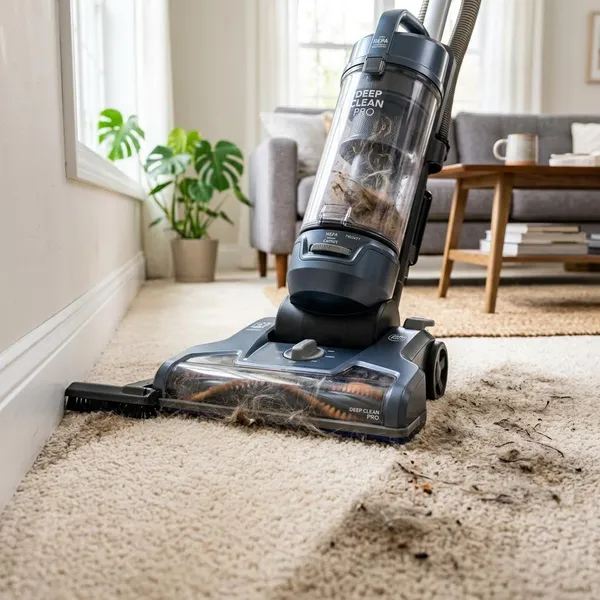
Upright vacuums are often the best fit for homes with lots of carpet. They usually combine strong suction, a wide cleaning path, and a motorized brush roll in one machine. That setup works well when you need to lift dirt from below the carpet surface instead of just cleaning the top layer.

They also make it easier to cover large rooms quickly. A wider floorhead means fewer passes across bedrooms, hallways, and living areas. Many upright models also offer height adjustment, which helps when moving from low-pile rugs to thicker carpet.

The downside is that uprights can feel heavier and less flexible on stairs or under furniture. Still, for families with wall-to-wall carpet, they are often the best vacuum cleaner for deep cleaning because they focus on the thing that matters most there: strong, steady carpet performance.

Canister vacuums offer better reach and flexibility

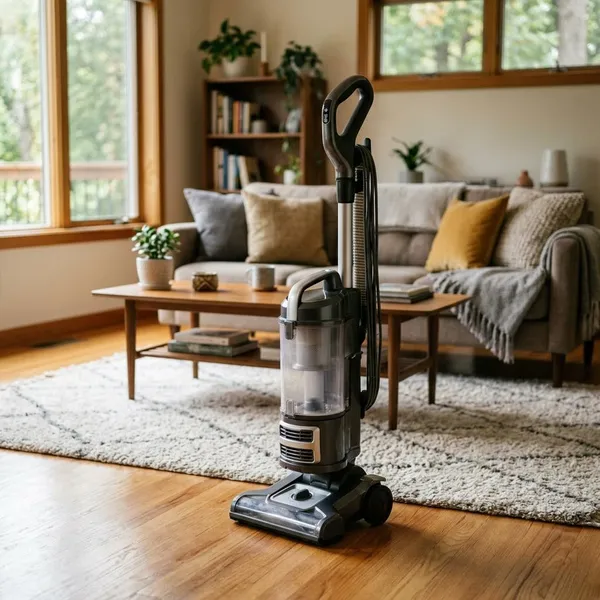
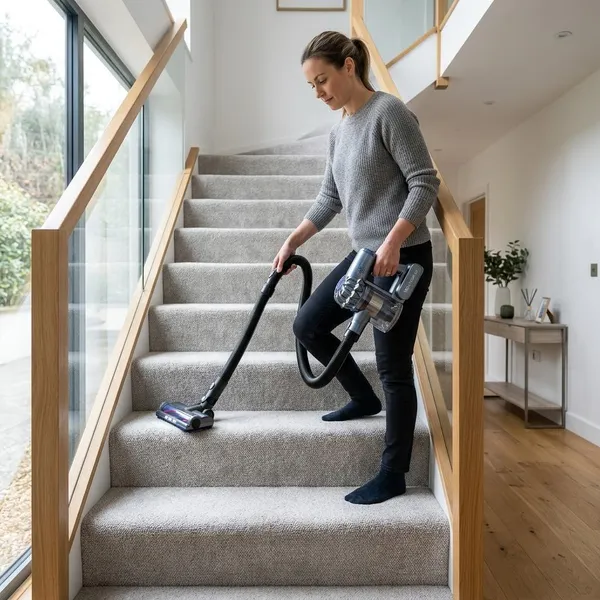
Canister vacuums are a smart choice if reach and flexibility matter more than speed over wide carpeted areas. Because the motor and dust container sit in a separate canister, the wand and head are easier to maneuver around furniture, under beds, and along stairs.

That design is especially helpful in homes with mixed flooring. A canister vacuum can move from hardwood to tile to rugs with less bulk in your hands. It also tends to work well in places where upright vacuums feel awkward, such as around table legs, behind chairs, or on stair landings.

For deep cleaning, a canister can be an excellent option if it includes a powered carpet head. It is often the better fit for people who want one machine that can handle floors, edges, upholstery, and hard-to-reach spots without feeling too bulky.

Cordless models suit lighter deep cleaning jobs

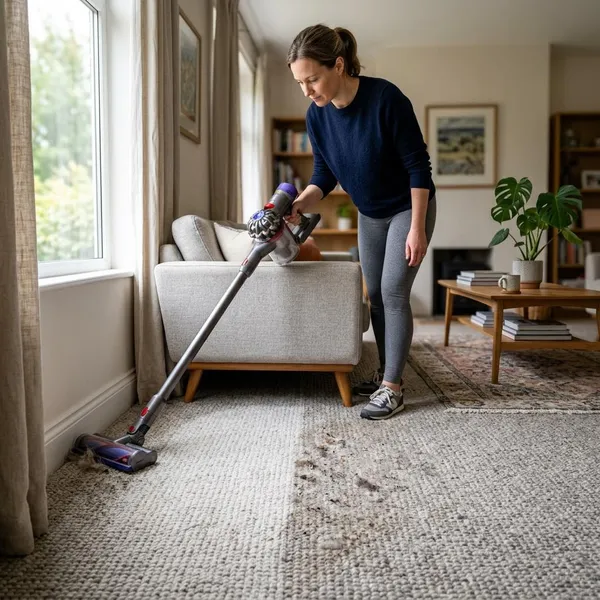
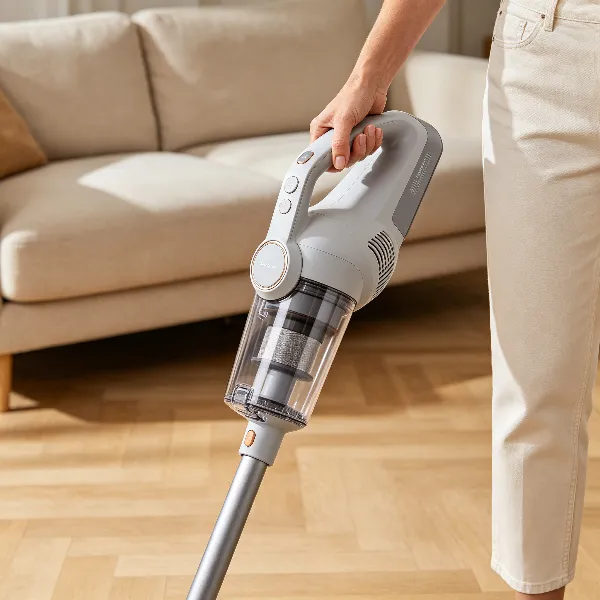
Cordless vacuums are easy to grab, easy to store, and great for frequent touch-ups. For homes that stay fairly clean week to week, a cordless model can also handle lighter deep cleaning jobs, especially in smaller spaces or rooms with less heavy carpet.

Their biggest advantage is convenience. You can carry one upstairs, clean a bedroom quickly, or vacuum around the kitchen after dinner without plugging and unplugging a cord. Many newer cordless models now offer better suction and motorized heads, which makes them more capable than older versions.

That said, battery life and bin size still matter. In a large home, or in a house with thick carpet and lots of pet hair, a cordless vacuum may run out of power or fill up too fast. For many families, it works best as a convenient everyday vacuum or as a second machine for quick cleanups.

Wet and dry models help with heavier messes

Wet and dry vacuums are built for bigger, messier jobs. They can handle damp debris, heavier dirt, and large amounts of material that would overwhelm a typical household vacuum. That makes them useful in garages, basements, mudrooms, laundry areas, and homes dealing with renovation dust.

They are also handy after real-life household messes. Think of muddy footprints after a storm, spilled water from a utility sink, or a messy cleanup after a DIY project. Their large capacity means fewer stops, and their stronger intake can deal with bulky debris more easily.

Still, they are not always the best everyday option. Most are louder, larger, and less refined on regular flooring. For many households, a wet and dry vacuum works best as a backup tool rather than the main deep clean vacuum cleaner used throughout the home.

Which vacuum suits different cleaning needs

The best vacuum is the one that solves your biggest cleaning problem. For some families, that means picking up pet hair without clogging. For others, it means trapping allergens, covering a large home efficiently, or moving easily between carpet and hard flooring.

A deep clean vacuum cleaner should match the way your home is actually used. If you start with your biggest need instead of shopping by brand alone, it becomes much easier to narrow down the right style and feature set.

Homes with pets need better hair pickup

Pet hair changes what you need from a vacuum. Fur sticks to upholstery, wraps around brush rolls, settles along stairs, and drifts into corners. A vacuum for pet owners should do more than clean open floors. It should also handle sofas, pet beds, rugs, and high-shed areas without constant maintenance.

The most useful features usually include:

  • Strong suction that can pull hair from carpet and fabric instead of skimming over it
  • A motorized brush roll that lifts hair from rugs and high-traffic carpeted spots
  • A mini motorized tool for stairs, upholstery, and pet beds
  • Tangle-resistant brush design that reduces wrapped hair and cleanup time
  • Sealed filtration to trap dander and fine dust, not just visible fur

In real homes, those features make a noticeable difference. A vacuum with a mini pet tool, for example, can clean a couch cushion far more effectively than a standard floorhead. If you have dogs or cats that shed daily, the best vacuum cleaner for pet hair and deep dirt is usually the one that handles both visible hair and the fine debris you cannot easily see.

Allergy prone homes need stronger filtration

In an allergy-prone home, filtration is not a bonus. It is one of the main reasons to upgrade. Vacuuming can stir up dust, pollen, and pet dander, especially in carpeted rooms and on soft furniture. If the machine leaks fine particles back out, the room may feel worse right after cleaning.

A sealed HEPA-style system is often the best place to start. It helps trap tiny particles instead of sending them back through vents or loose seams. This matters most in bedrooms, nurseries, and living rooms where people spend a lot of time and where fabric surfaces hold onto dust.

It also helps to choose a vacuum with filters that are easy to access and maintain. If cleaning or replacing filters is a hassle, people tend to put it off. In everyday use, strong filtration can mean less floating dust after vacuuming, fewer particles settling back onto furniture, and a cleaner-feeling space overall.

Large homes need longer runtime or bigger capacity

A large home needs a vacuum that can keep going without slowing you down. Cleaning power still matters, but so do the details that affect how long you can actually work. Runtime, cord length, dust capacity, and overall ease of handling all start to matter more in a larger space.

Here are the features that make the biggest difference:

  • A larger dust bin or bag so you do not have to stop every few rooms
  • Longer runtime for cordless models or a generous cord length for corded ones
  • Easy movement between rooms, especially in homes with stairs
  • Manageable weight, so carrying the vacuum does not become part of the struggle
  • Simple attachment access for quick edge and stair cleaning

For example, a cordless vacuum may look appealing, but it can be frustrating if it runs low before you finish the upstairs bedrooms. In a bigger home, many people prefer an upright or canister with larger capacity because it keeps the cleaning session moving.

Mixed floors need more versatile tools

Homes with mixed flooring need flexibility more than anything else. A vacuum that works beautifully on carpet but scatters crumbs on hardwood will feel frustrating fast. The best option is one that can switch between surfaces without making you stop and rethink every room.

Useful features for mixed-floor homes include:

  • Brush roll shutoff or adjustable brush settings for hard floors
  • A powered head for rugs and carpet
  • A soft roller or hard-floor tool for tile, wood, and laminate
  • Crevice and dusting tools for corners, vents, and baseboards
  • Easy transitions between rooms and floor types

This matters in everyday cleaning. You might vacuum a rug in the living room, move to hardwood in the hallway, then clean tile in the kitchen. A vacuum with the right tool set handles that naturally. A less versatile model can turn a simple cleaning session into a series of awkward adjustments.

What features are worth paying for

Not every upgrade is worth the extra money. Some features sound impressive in a product description but do not really improve how well the vacuum cleans. Others make a clear difference every single week.

A deep clean vacuum cleaner is worth investing in when the features improve performance, reduce hassle, or help keep dust contained. If you are trying to spend wisely, these are the features that usually deliver the most value in real homes.

A motorized brush helps with deep carpet cleaning

A motorized brush is one of the most useful features for carpeted homes. Suction alone can remove visible crumbs and loose debris, but a powered brush roll helps loosen dirt and hair trapped deeper in the carpet. That is what makes a vacuum feel more effective during a real deep-cleaning session.

This is especially noticeable in family rooms, hallways, and bedrooms where carpet gets flattened by daily traffic. A motorized brush lifts the fibers slightly as it works, helping the vacuum pull out debris that a basic suction-only head may miss.

If your home has both rugs and hard floors, adjustable brush control is even better. It gives you stronger agitation on carpet and gentler cleaning on smooth surfaces. That makes the vacuum more useful across the whole house instead of just one room type.

Sealed filtration improves air quality

Sealed filtration is worth paying for because it supports both cleaning performance and comfort. A vacuum can pick up a lot of dust, but if air leaks around the filter or bin, tiny particles can still escape while you clean.

That matters most in homes with pets, allergy concerns, or lots of fabric furniture. In those settings, fine dust tends to build up quickly and move easily through the air. A sealed system helps keep that debris inside the vacuum where it belongs.

In practical terms, better filtration can mean:

  • Less fine dust blowing back into the room
  • Cleaner-feeling air after vacuuming
  • Slower dust buildup on shelves, tables, and vents
  • Better containment of pollen, pet dander, and other irritants

If you vacuum often and want the room to feel fresher afterward, sealed filtration is one of the most useful upgrades you can choose.

Useful attachments make corners stairs and upholstery easier

Attachments are worth paying for when they help you clean areas you would otherwise skip. A good crevice tool can reach along baseboards, under couch cushions, and beside appliances. A dusting brush can handle blinds, shelves, vents, and lamp bases without scattering dust around.

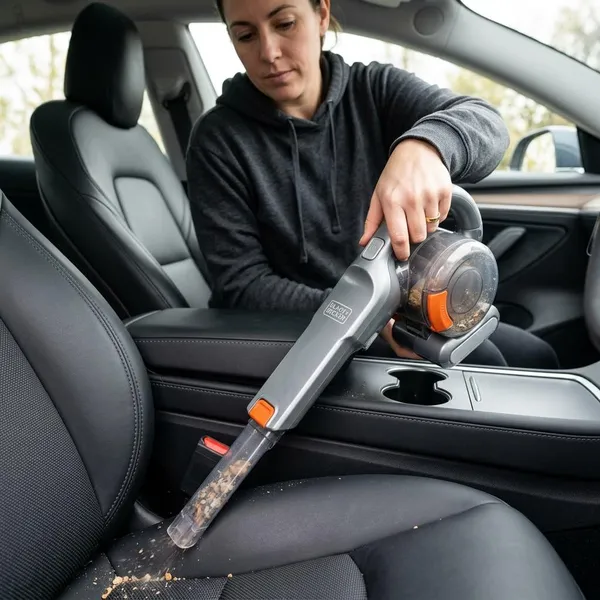
A mini motorized tool is especially useful in family homes. It can pull pet hair from stairs, remove dust from upholstered chairs, and freshen up mattresses or car seats. These are the kinds of places where dirt collects quietly over time and makes the room feel less clean even when the floors look fine.

If you want a vacuum to do more than clean the middle of the room, attachments matter. They turn the machine into a more complete cleaning tool and make it much easier to include furniture, edges, and fabric surfaces in your routine.

Bin or bag size affects how often you stop

Capacity affects convenience more than most people expect. A small dust bin fills fast in homes with pets, kids, thick carpet, or lots of tracked-in debris. Once that happens, you have to stop, empty it, and then get back to work.

That may not matter in a one-bedroom apartment, but it becomes noticeable during whole-house cleaning. Larger bins or bags let you keep moving, which is especially helpful during weekend deep cleans or seasonal cleanup days.

The best choice depends on what you prefer:

  • Bagless vacuums let you see what you have picked up and avoid buying bags
  • Bagged vacuums often offer cleaner disposal and can release less dust when emptied
  • Larger capacity models reduce interruptions in bigger homes
  • Smaller capacity models may be easier to store in tight spaces

This feature is not flashy, but it has a direct effect on how smooth the cleaning process feels.

How to choose the right vacuum for your home

Choosing the right vacuum gets easier when you focus on your own home instead of chasing the most hyped model. Floor type, home size, storage space, and how often you vacuum all matter more than a long list of marketing claims.

A deep clean vacuum cleaner should feel practical from day one. It should fit your space, your cleaning habits, and your comfort level. If you are also improving your broader routine, you may want to explore our guide to home deep cleaning essentials.

Match the vacuum to your main floor type

Your main floor type should guide your decision first. If most of your home is carpet, focus on strong suction, a motorized brush roll, and good carpet performance. Those features help remove embedded dirt and revive areas that look flattened or worn from foot traffic.

If your home is mostly hardwood, tile, vinyl, or laminate, look for a vacuum that handles hard floors gently. A soft roller or dedicated hard-floor head can pick up fine dust and larger debris without scratching the surface or scattering crumbs.

For mixed-floor homes, flexibility matters more than specialization. A vacuum that shifts smoothly from rugs to hard flooring will usually be more satisfying in daily use than a machine that excels on only one surface type.

Think about weight and ease of use

A vacuum can have excellent specs and still feel like a chore if it is too heavy or awkward to use. That matters in homes with stairs, older adults, or anyone who does not want cleaning to feel like a workout.

Weight affects more than lifting. It also changes how easily the vacuum moves around chair legs, under tables, and through tight spaces. Swivel steering, a comfortable handle, and quick access to attachments all make a noticeable difference during normal use.

In real life, the best vacuum is often the one you do not dread using. A slightly lighter machine that is easy to carry and maneuver may get used more often than a bulky model with higher power on paper.

Balance cleaning power with storage space

Storage matters more than many people realize. Some vacuums are large, tall, or awkward to tuck away, which can be a problem in smaller homes, apartments, or houses with limited closet space.

Before buying, think about where the vacuum will go. Will it fit in a hall closet? Can the cord, hose, and attachments stay organized? Will you have to move other items every time you want to use it?

A larger upright or canister may be worth it if you have a laundry room or utility closet. But if storage is tight, a compact model may be the better long-term choice. A vacuum that stores easily is often the one that gets used more often.

Look at maintenance before you buy

Maintenance affects how well a vacuum performs over time. Filters need attention. Brush rolls collect hair. Dust bins need emptying. Hoses and floorheads can clog. If these tasks are complicated, the vacuum may lose performance faster in everyday use.

Before you buy, check a few practical details:

  • How easy is it to remove hair from the brush roll?
  • Can you access the filters without tools?
  • Are replacement filters, bags, or belts easy to find?
  • Is the bin simple to empty without making a dusty mess?
  • Can you reach common clog points without taking the machine apart?

A vacuum that is easy to maintain is more likely to stay effective for the long haul, especially in homes with pets, kids, or frequent use.

How to choose the right vacuum for your home

How to get better deep cleaning results

A deep clean vacuum cleaner works best when you use it with the right technique. Even a powerful machine can leave dirt behind if you move too fast, skip settings, or ignore areas where dust quietly collects.

The good news is that better results do not always require a more expensive vacuum. A few simple habits can help you pull more dirt from carpets, reduce leftover dust on hard floors, and make your whole cleaning routine more effective.

Vacuum slowly to lift more dirt

Vacuuming slowly gives the machine time to do its job. On carpet, the brush roll and suction need a moment to loosen and lift dirt from below the surface. If you move too fast, the floorhead may only skim the top and leave deeper debris behind.

This is especially important in hallways, entryways, and family rooms. These areas collect compacted dirt from shoes, pet traffic, and daily foot traffic. A slower pass often removes far more than a quick sweep.

The same idea applies to hard floors. Moving more slowly helps the vacuum pull in fine dust and small debris instead of pushing it ahead of the floorhead. It is one of the simplest ways to get better results without changing machines.

Use the right setting for each surface

Different surfaces need different vacuum settings. Carpet usually benefits from a motorized brush roll and an appropriate height setting. Hard floors often clean better with reduced brush action or a dedicated hard-floor head.

Using the wrong setting can make the vacuum less effective. Too much brush action on hardwood can scatter crumbs across the room. A floorhead set too low on thick carpet can reduce airflow and make the machine harder to push.

If your vacuum has multiple floor modes, use them. If it comes with more than one head, switch when needed. These small adjustments take only a few seconds and often make a much bigger difference than people expect.

Go over high traffic areas more than once

Not every part of the house gets equally dirty. Hallways, entryways, kitchen pathways, and the space around sofas usually need more attention than guest rooms or formal dining areas.

Going over those high-traffic areas more than once can improve results a lot. On carpet, crossing the area from two directions helps the brush roll reach the fibers from more than one angle. That can pull up dirt and hair that a single pass leaves behind.

This approach saves time overall because it focuses effort where it matters most. Instead of vacuuming every room with the same intensity, you are giving extra attention to the places that truly collect the most grime.

Clean edges furniture and fabric surfaces too

Deep cleaning is not just about open floor space. Dust and hair gather along baseboards, under furniture edges, on stairs, and in fabric surfaces like couches and chairs. When those spots are ignored, the room can still feel dusty even if the floor looks clean.

Try to include:

  • Baseboards and wall edges
  • Under sofas, beds, and large chairs
  • Carpeted stairs and stair corners
  • Upholstery, cushions, and pet beds
  • Curtains, mattresses, and fabric headboards when needed

These areas often hold fine debris that later spreads back into the room. Cleaning them regularly helps the whole space stay fresher between larger deep-cleaning sessions.

How to keep a deep cleaning vacuum working well

A deep clean vacuum cleaner needs regular maintenance to keep performing well. When a vacuum starts losing power, the cause is often something simple, like a full bin, a dirty filter, or hair wrapped around the brush roll.

The good news is that most of the important upkeep is quick and straightforward. A little routine maintenance can help preserve suction, improve airflow, and extend the life of the machine.

Empty the bin before airflow drops

A dust bin that is too full can reduce airflow and make the vacuum feel weaker. Dirt and hair can compact inside the container, especially during heavy cleaning, and that limits how easily air moves through the machine.

For bagless models, it is usually better to empty the bin before it reaches the top line, especially if you are picking up pet hair, carpet fuzz, or a lot of fine dust. In bagged vacuums, a nearly full bag can create the same problem.

This small step helps the vacuum maintain more consistent suction. It also reduces the chance of dust collecting inside the machine where it can affect long-term performance.

Clean or replace filters regularly

Filters trap fine particles, but they cannot do that well forever without maintenance. As filters load up with dust, airflow gets restricted, which can reduce suction and make the vacuum work harder than it should.

Some filters are washable, while others need to be replaced on a set schedule. The right timing depends on how often you vacuum and what your home is like. Homes with pets, carpet, or heavy dust usually need more frequent filter care.

A clean filter supports better suction, better dust control, and better overall performance. It is one of the simplest maintenance steps, and it has one of the biggest effects on how well the vacuum continues to clean.

Remove hair from the brush roll

Hair wrapped around the brush roll can quietly reduce performance. Over time, it can keep the brush from spinning freely and make it harder for the vacuum to agitate carpet properly.

This is especially common in homes with pets or family members with long hair. If the brush roll gets tangled, the vacuum may leave more hair behind, struggle on carpet, or stop cleaning evenly across the width of the floorhead.

Checking the brush roll regularly helps keep performance steady. Many newer models are easier to access, and some use anti-tangle designs, but they still benefit from occasional cleaning. A few minutes of upkeep can prevent a lot of frustration later.

Check attachments and seals for blockages

If suction drops suddenly, a blockage is often the reason. Hair clumps, paper scraps, socks, or small toys can partially block the hose, wand, or floorhead and reduce airflow without completely stopping the vacuum.

Start by checking the most common trouble spots:

  • The hose bends and connection points
  • The neck near the floorhead
  • The wand and extension tubes
  • Attachments used for upholstery or crevices
  • Bin seals, filter doors, and latch points

A loose seal can also affect suction. If the bin or filter door is not seated correctly, air can leak out and reduce cleaning performance. A quick inspection can often fix the problem before it turns into a bigger one.

How to keep a deep cleaning vacuum working well

Conclusion

The best deep clean vacuum cleaner is the one that fits the way your home actually gets dirty. For some families, that means a powerful upright for carpet. For others, it means a flexible canister, a convenient cordless model, or a wet and dry vacuum for tougher messes.What matters most is how the vacuum performs in real life. Strong suction, solid filtration, the right floorhead, and useful attachments will do more for your home than a long list of flashy features. If you choose a deep clean vacuum cleaner that matches your floors and cleaning habits, and you keep it maintained, it can make your home feel cleaner, fresher, and easier to stay on top of.

FAQ

What is the best vacuum cleaner for deep cleaning carpets

The best vacuum cleaner for deep cleaning carpets is usually an upright or a canister model with strong suction and a motorized brush roll. Those features help loosen and lift dirt trapped below the surface instead of only picking up what is visible on top. Height adjustment also helps because it allows the floorhead to work better on different carpet types, from low-pile area rugs to thicker bedroom carpet.

Are cordless vacuums strong enough for deep cleaning

Some cordless vacuums are strong enough for light to moderate deep cleaning, especially in smaller homes or spaces that are vacuumed often. They are convenient, easy to carry, and useful for stairs, rugs, and quick room refreshes. But in larger homes, or on thick carpets with deep dirt, a corded upright or canister usually offers more consistent power, longer cleaning time, and fewer interruptions.

Which vacuum is best for pet hair and deep dirt

The best vacuum for pet hair and deep dirt usually has strong suction, a motorized brush roll, sealed filtration, and tools designed for upholstery and stairs. A mini motorized attachment is especially helpful because it can pull hair from couches, pet beds, and carpeted steps more effectively than a standard floorhead. In homes with heavy shedding, anti-tangle brush designs can also cut down on maintenance and keep cleaning performance more consistent.