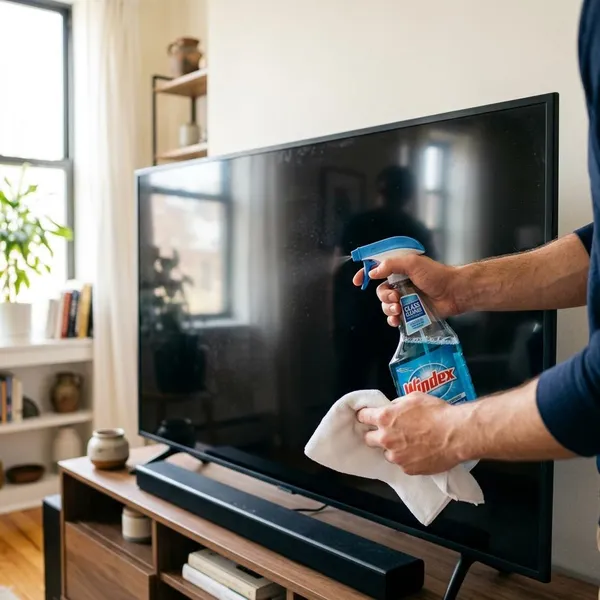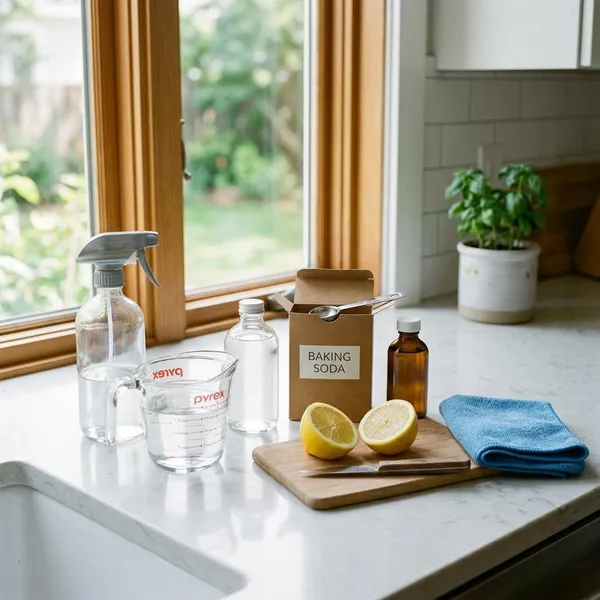
Determining which window cleaner is truly the "best" often depends on the specific surface you are cleaning. A bathroom mirror speckled with toothpaste, a kitchen window coated in grease, or a car windshieldâeach requires a slightly different cleaning approach. A cleaner that performs flawlessly in one setting may prove ineffectiveâor even leave unsightly streaksâwhen used elsewhere. For most households, the "best" cleaner is simply the one that effectively removes the dirt at hand, is easy to wipe away, and leaves no residue once dry. Sometimes, a simple homemade solution is all it takes to get the job done; in other instances, a ready-made commercial formula can save you both time and effort.

What makes a window cleaner the best
When people ask what is the best window cleaner, they usually want one thing: clean glass without streaks, haze, or extra work. That is a fair goal, but not every cleaner is built for the same kind of job.
A good cleaner should remove the dirt you actually have in your home. It should also be easy to wipe off, safe for the type of glass you are cleaning, and practical for everyday use. For most families, the best choice is not the strongest formula. It is the one that works well, dries clean, and fits the task.
A good cleaner removes dirt without streaks
What is the best window cleaner if your main problem is streaking? In most homes, it is a cleaner that lifts dirt fully and leaves very little residue behind. If a product leaves too much film on the glass, the window may look fine at first and then show lines as soon as the sun hits it.
A reliable streak free window cleaner should cut through fingerprints, dust, and light smudges without smearing them around. Fast drying helps, but the liquid should not evaporate so quickly that it dries before you can wipe it evenly.
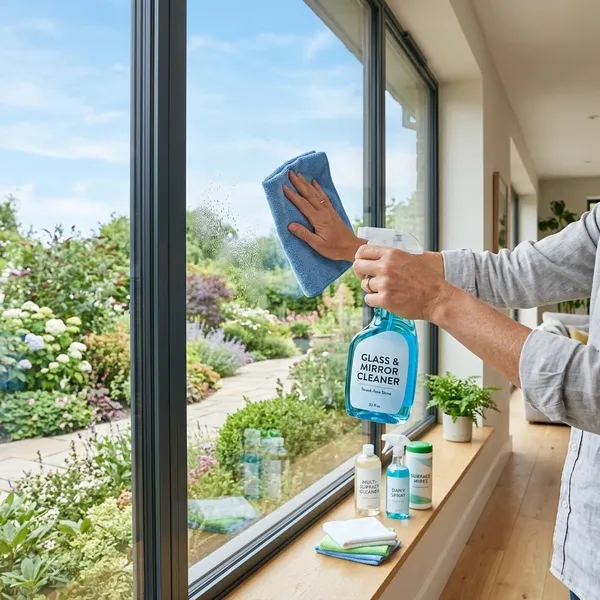
The wiping tool matters just as much. Paper towels can leave lint. Old rags may spread leftover detergent or fabric softener onto the glass. A clean microfiber cloth or a good squeegee usually gives a much clearer finish.
The right formula depends on the type of mess
What is the best window cleaner for one person may be a poor choice for someone else. That is because not all dirt behaves the same way. Dry dust is easy to remove. Grease, pet nose prints, smoke film, and sprinkler spots are a different story.
A basic cleaner usually works well for routine indoor buildup. A stronger formula may be better for kitchen windows or glass doors near a grill. If the issue is mineral spotting, a regular cleaner may barely make a difference, and a hard water stain remover will likely work better.
This is why reviews can be misleading. A product that works beautifully on light indoor smudges may struggle with oily residue or outdoor buildup. The best results come from matching the cleaner to the mess, not from choosing the strongest bottle on the shelf.
Ease of use matters as much as cleaning power
A cleaner can be effective and still be annoying to use. If it smells harsh, drips too much, or requires constant buffing, most people will not enjoy using it. For busy households, ease of use matters just as much as cleaning strength.
The best products are simple. They spray evenly, wipe off without much effort, and work with tools you already own. That matters when you are cleaning patio doors covered with fingerprints or trying to finish all the upstairs windows in one afternoon.
Packaging also makes a difference. A fine mist spray helps prevent overspray and waste. A cleaner that works on mirrors, tabletops, and windows can also simplify your supply cabinet without sacrificing results.

Which type of window cleaner works best for each job
What is the best window cleaner for your home? The real answer depends on the job in front of you. A cleaner that works well on dusty indoor glass may do very little for greasy kitchen windows or mineral spots from sprinklers.
The easiest way to choose is to think about the type of buildup on the glass. Once you know whether you are dealing with everyday smudges, oily residue, hard water, or car glass haze, the best cleaner becomes much easier to identify.
Everyday glass needs a simple streak-free cleaner
What is the best window cleaner for everyday use? For most living rooms, bedrooms, and interior doors, a simple streak free window cleaner is enough. These formulas are made for common messes like fingerprints, dust, light smudges, and the thin film that builds up during normal household use.
They work well because the dirt on everyday glass is usually light and fresh. You are not trying to remove baked-on grease or years of mineral deposits. You just need a cleaner that lifts the residue cleanly and dries without haze.
This kind of cleaner is a good fit for:
- Living room windows with light dust: These windows often collect a thin layer of airborne dust from heating and cooling systems. A basic cleaner removes that film quickly without leaving a sticky surface that attracts more dust later.
- Patio doors with fingerprints: Homes with kids or pets often have handprints, nose marks, and smears at lower levels. A simple cleaner works well here because the residue is usually surface-level and does not need heavy scrubbing.
- Mirrors and decorative glass: These surfaces show streaks fast, especially in bright light. A low-residue formula gives you a cleaner finish and usually cuts down on the need for extra buffing.
For regular maintenance, starting with a mild cleaner makes sense. It is usually enough, easier to use, and less likely to affect nearby finishes or trim.
Greasy windows need a stronger formula
What is the best window cleaner when the glass feels sticky or looks cloudy no matter how often you wipe it? In many cases, the issue is grease. Kitchen windows, glass near a stove, and doors close to an outdoor grill often collect oily residue that traps dust and makes the surface dull.
A stronger formula with degreasing ingredients is usually a better fit. These cleaners are designed to break apart oily buildup so you can lift it off the glass instead of smearing it around. That matters because grease tends to spread in a thin film, which creates haze when light hits it.
You may notice this most on windows above a sink or near a cooktop. The glass may not look filthy at first, but sunlight often reveals a cloudy layer. That layer usually comes from cooking oils, steam, and tiny airborne particles that stick to the surface over time.
A stronger cleaner is also useful for lotion marks, sunscreen smudges, and pet oils. Use a clean microfiber cloth and switch to a fresh section as it gets dirty. If you keep wiping with the same loaded area, you can put the grease right back on the glass.
Hard water marks need a more targeted approach
What is the best window cleaner for white spots or cloudy marks that seem stuck to the glass? If regular cleaner does not help much, you are probably dealing with minerals rather than dirt. Hard water stains happen when water dries on the surface and leaves behind calcium and magnesium deposits.
These stains are common on shower doors, outdoor windows near sprinklers, and glass near pools. A standard glass cleaner may remove dust on top of the stain, but it often cannot dissolve the mineral layer underneath. That is where a specialized hard water stain remover can make a real difference.
It helps to tell the difference between buildup and permanent damage. If the stain feels rough and improves after treatment, it is likely mineral residue. If the mark stays even after using the right cleaner, the glass may be etched. In that case, cleaning can improve the appearance, but it may not restore the surface completely.
For lighter spotting, a targeted cleaner may be all you need. For heavier buildup, you may need a few rounds of treatment and gentle wiping. The key is using a product meant for minerals, not just general grime.
Car glass needs a cleaner that leaves no haze
What is the best window cleaner for car windows? It should leave the glass truly clear, not just mostly clean. Windshields and side windows collect a different kind of residue than house windows. Road film, dashboard off-gassing, fingerprints, and smoke haze can all build up over time.
A cleaner that leaves even a slight film can create glare at night or a foggy look in direct sun. That is why automotive glass often benefits from a formula that dries clean and leaves no haze. The inside of the windshield is especially important because any residue there can scatter headlights and reduce visibility.
In practical use, two towels often work better than one. Use the first to clean and the second to buff dry. Spraying the cloth instead of the glass can also help, especially inside the car, because it reduces overspray on the dashboard and trim.
If your windshield looks streaky only when driving into the sun, there is a good chance you are dealing with leftover film rather than dirt. A cleaner made for clear drying can help solve that problem much faster than repeated wiping with a general household spray.

When a DIY window cleaner is a good choice
What is the best window cleaner if you want to keep things simple and low-cost? For light cleaning, a homemade solution can work surprisingly well. Many households already have the basic ingredients, and for routine touch-ups, that is often enough.
That said, DIY cleaners work best when the glass is cleaned regularly and the buildup is fairly light. They are a practical option for maintenance, but they are not always the best tool for heavy grease, mineral spots, or long-neglected outdoor windows.
A homemade mix works well for light cleaning
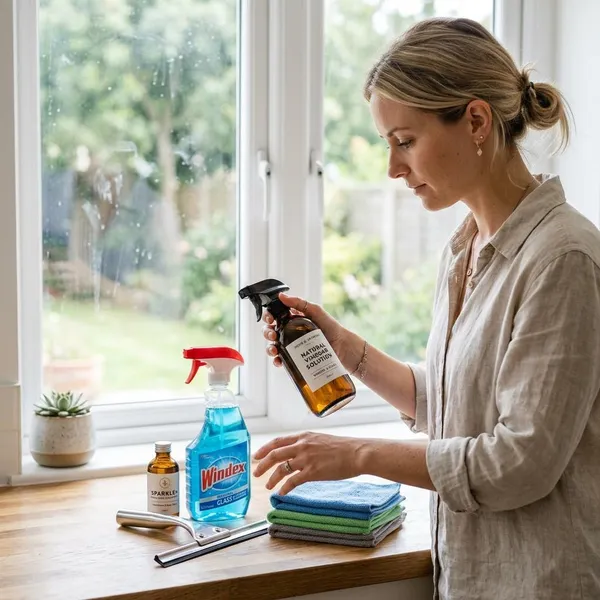
What is the best window cleaner for everyday maintenance on lightly soiled glass? A DIY window cleaner is often a reasonable choice. A simple mix of water with a small amount of dish soap or white vinegar can remove dust, fingerprints, and mild smudges from indoor windows.
This works because light residue usually sits on the surface. It does not need a highly specialized formula. A mild homemade mix can loosen the dirt enough for a microfiber cloth to lift it away cleanly.
Homemade cleaner can be especially useful in bedrooms, hallways, and home offices where windows tend to collect only routine dust and occasional handprints. It also gives you more control over the ingredients, which some families prefer when cleaning around kids or pets.
The main thing to watch is balance. Too much soap can leave residue. Too much vinegar can create a strong smell and may not be ideal around certain finishes. In most cases, a simple, lightly mixed solution works better than a strong homemade blend.
DIY is useful when you want a low-cost option
What is the best window cleaner when budget matters? For many families, a homemade cleaner is the most practical answer for regular upkeep. If you clean often, especially large sliding doors or several indoor windows, using ingredients you already have can lower your ongoing cleaning costs.
This is especially helpful in bigger households where glass gets touched constantly. Kids, pets, and daily traffic can leave windows and doors needing frequent touch-ups. In that situation, having a low-cost cleaner ready to go can make regular maintenance easier.
Still, DIY works best when the mess is manageable. If the windows have greasy film, heavy outdoor grime, or mineral buildup, you may spend more time re-cleaning than you save on product cost. A homemade cleaner is economical, but it is not always the most efficient solution.
Reusing the same spray bottle can also cut down on waste. Just make sure it is clearly labeled and rinsed well before refilling so your results stay consistent.
Simple recipes are best for regular maintenance
What is the best window cleaner recipe if you are mixing your own? Usually, the simplest one. Some homemade cleaning recipes online combine too many ingredients, and that can lead to streaking, residue, or a solution that is harder to use than a basic store-bought product.
For regular maintenance, simple habits matter more than complicated formulas:
- Make small batches: Fresh solution tends to perform more consistently. Small batches are also easier to adjust if you notice streaks, strong odor, or poor cleaning results on a certain type of glass.
- Test one area first: Try the cleaner on a single window before using it everywhere. This helps you spot haze, fast drying, or any reaction with nearby trim, coatings, or older finishes.
- Use less product than you think: Too much liquid often causes drips and streaks. A light mist is usually enough for normal maintenance, especially when paired with a clean microfiber cloth.
- Keep your tools clean: Even a good homemade cleaner will struggle if your cloth is dirty or loaded with detergent residue. Wash microfiber separately and skip fabric softener so the fibers keep absorbing properly.
In general, DIY recipes make the most sense for regular upkeep, not for restoring badly neglected glass.

When a commercial window cleaner is the better option
What is the best window cleaner when homemade mixes are not getting the job done? In many cases, it is a commercial product made for the type of residue you are dealing with. Store-bought cleaners are often more consistent, more targeted, and easier to use when the glass is truly dirty.
That does not mean every commercial product is better than every DIY mix. It just means that tougher problems often need ingredients designed for those specific issues. For deep cleaning, that extra strength and consistency can save time and frustration.
Store-bought cleaners work better for stubborn grime
What is the best window cleaner for windows that have gone too long between cleanings? A store-bought formula is often the better choice. Commercial cleaners are usually designed to break down buildup more effectively than homemade solutions, especially when the residue includes grease, outdoor pollution, or layered grime.
This is common on exterior windows. Over time, glass can collect pollen, bug residue, traffic film, tree sap mist, and dirt that has bonded with moisture. A mild homemade spray may loosen the top layer, but it often takes a more developed formula to remove the full film cleanly.
The advantage is not just stronger cleaning. It is also consistency. A good store-bought cleaner usually sprays evenly, dries predictably, and gives similar results each time you use it. That makes cleaning faster and reduces the need to keep going over the same area.
For families with a lot of windows, that reliability matters. It can turn a long chore into a much more manageable one.
Specialized formulas help with tougher buildup
What is the best window cleaner when the problem is more specific than general dirt? That is where specialized formulas can be worth it. Some products are made for mineral deposits, automotive haze, smoke film, or greasy residue that an all-purpose spray may only smear around.
These formulas are often more useful because they target the actual structure of the mess. Mineral spots bond to the surface. Grease forms a film that traps dust. Road residue on car windows can include oily compounds and fine particles that need to be dissolved, not just wiped.
In real-life use, that means the right specialized cleaner can cut down on scrubbing and improve clarity more quickly. It can also reduce the risk of frustration that comes from using the wrong product over and over and getting the same hazy result every time.
The key is to choose based on the problem, not the marketing. Read the label, check that the product is meant for your type of glass, and use it where it makes sense rather than treating every window in the house the same way.

How to choose the best cleaner for your windows
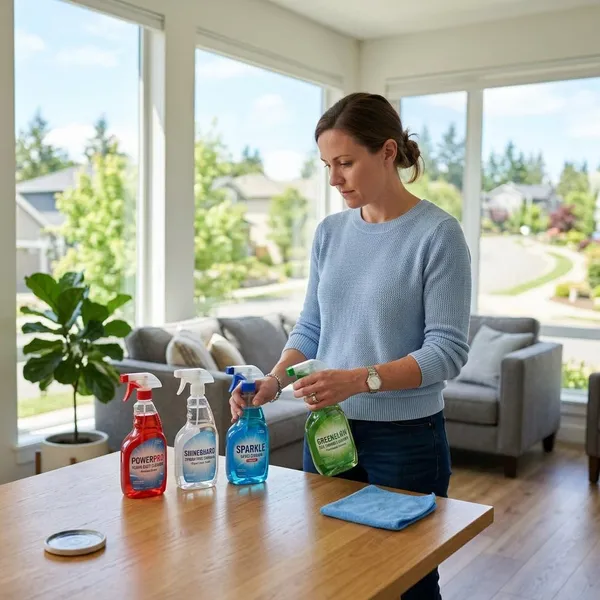
What is the best window cleaner for your own home? The best choice depends on where the glass is, what kind of buildup it collects, and how you usually clean it. A product that works great indoors may not do much for weathered exterior windows, and a strong formula is not always the right choice for delicate or tinted glass.
A smart way to choose is to look at three things: location, glass type, and cleaning tools. Once you think through those details, it becomes much easier to pick a cleaner that works well without overdoing it.
Indoor and outdoor windows do not always need the same formula
What is the best window cleaner for indoor versus outdoor glass? Often, it is not the same product. Indoor windows usually collect lighter residue such as dust, fingerprints, pet nose prints, and the occasional food smear. Outdoor windows tend to deal with pollen, rain spotting, bird mess, air pollution, and debris from the yard.
Because of that, indoor glass often responds well to a mild cleaner that dries clearly and is pleasant to use in enclosed spaces. Outdoor windows may need a stronger formula, especially if they have not been cleaned in a while. The issue is not just visibility. Outdoor grime often sticks more firmly and can drag across the surface if not loosened first.
For exterior windows, it often helps to rinse away loose dirt before using cleaner. That simple step can improve results because you are not trying to wipe dry grit across the glass.
Tinted glass needs extra care with product choice
What is the best window cleaner for tinted glass? Usually, it is a gentler formula that is clearly labeled as safe for films or treated surfaces. Tinted or coated glass can be more sensitive than standard clear glass, so product compatibility matters just as much as cleaning strength.
This is especially important for automotive windows and homes with decorative or privacy film. Some harsh products may not cause immediate damage, but repeated use can dull the finish, weaken the film, or leave a cloudy appearance over time.
If you are unsure, test a small section first. That small step can help you avoid damage to expensive glass treatments. A cleaner that leaves no haze is important, but it also has to be safe for the material you are cleaning.
The best cleaner also depends on the tools you use
What is the best window cleaner if your results are still inconsistent? Sometimes the real issue is not the formula. It is the tools. Cleaner and tools work together, and even a good product can leave streaks if you use a dirty cloth or the wrong wiping method.
A few tools make a big difference:
- Microfiber cloths: These are excellent for lifting dirt and absorbing moisture. They leave less lint than paper towels and are especially helpful on mirrors, patio doors, and windows that get strong sunlight.
- Squeegees: These work well on large panes, shower glass, and exterior windows. A good squeegee removes liquid evenly, which reduces streaks and saves time on big surfaces.
- Separate cleaning and drying cloths: One cloth loosens and lifts the dirt. The second removes leftover moisture and buffs the surface. This simple two-step method often improves clarity, especially on car glass and bathroom mirrors.
If you want better results, it also helps to build a simple home cleaning routine. Regular care keeps grime from building into a tougher problem.
What helps any window cleaner work better
What is the best window cleaner if you want consistently better results? Often, it is not just about the bottle. The way you clean matters a lot. Streaks, lint, and haze often come from timing, dirty tools, or too much product rather than from the cleaner itself.
The good news is that a few easy changes can make almost any cleaner work better. Better cloths, better timing, and a lighter touch often improve the final result more than people expect.
Microfiber cloths reduce streaks and lint
What is the best window cleaner tool to use with almost any formula? For most households, it is a clean microfiber cloth. Microfiber works well because it traps dirt and moisture in very fine fibers instead of pushing them around the surface.
That makes a noticeable difference on glass. Paper towels can leave lint, and old cotton rags may carry detergent residue that causes smearing. Microfiber is more likely to leave the glass clear, especially if the cloth is clean and dry.
For the best results, fold the cloth into sections. That gives you multiple clean wiping surfaces before you need a fresh one. Also avoid washing microfiber with fabric softener, which can coat the fibers and reduce their ability to absorb moisture.
This is a simple upgrade, but it often leads to cleaner-looking windows right away.
Cleaning out of direct sun gives better results
What is the best window cleaner condition for streak-free results? In many cases, it is a cooler, shaded window. Direct sun can make even a good cleaner dry too fast, which means it may leave behind residue before you have time to wipe it evenly.
That is one reason people often get better results indoors than outside on a hot afternoon. The cleaner stays wet long enough to loosen the dirt and be removed properly. On a hot pane of glass, it may flash dry and leave marks.
If possible, clean windows in the morning, on a cloudy day, or when the glass is shaded. If you do have to work in warm weather, clean smaller sections at a time. That gives you more control and helps prevent streaking.
Conclusion
For most households, there is no single answer for every surface. A simple streak-free cleaner works well for routine indoor glass. A stronger formula is better for greasy windows. A specialized product is often the right choice for mineral stains or car glass that needs a crystal-clear finish.What is the best window cleaner comes down to the kind of dirt on the glass, the type of window you are cleaning, and the tools you use with it. Choose the cleaner that fits the job, pair it with good technique, and you will get clearer windows with less effort.