Steam cleaners can work wonders on many types of surfaces, but are they a good option for wood floors? The answer depends on several factors, including the type of wood, its finish, and how well it's sealed. While steam cleaning might seem like an easy solution for a deep clean, it's not suitable for every type of wood floor. Let's explore when it's safe to use a steam cleaner and when you should be cautious.
Whether a Steam Cleaner is a Good Idea on a Wood Floor
Only on Well-Sealed Floors
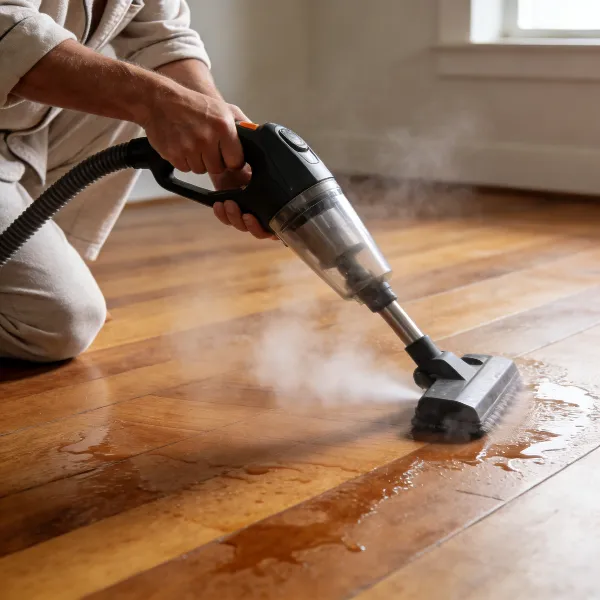
To use a steam cleaner on wood floors safely, the wood must be sealed with a durable finish. A good finish, like polyurethane, prevents moisture from soaking into the wood. If the floor isn't sealed or the finish is worn, steam can easily penetrate and damage the wood, causing it to swell or warp. Always check if your floor has a strong protective coat before using a steam cleaner.
Careful Mopping is Often Safer
If you're unsure about using a steam cleaner, regular mopping with a damp microfiber cloth is often a safer alternative. Microfiber mops are gentle yet effective, and they don't leave excess moisture behind, reducing the risk of damage to your floor. For most wood floors, a damp mop will do the job without the potential risks of steam cleaning.
When You Can Use a Steam Cleaner on a Wood Floor
There are times when using a steam cleaner on a wood floor can be beneficial, but there are conditions that need to be met. Here's when it's safe to use steam and how to do it properly.
On a Properly Finished Floor
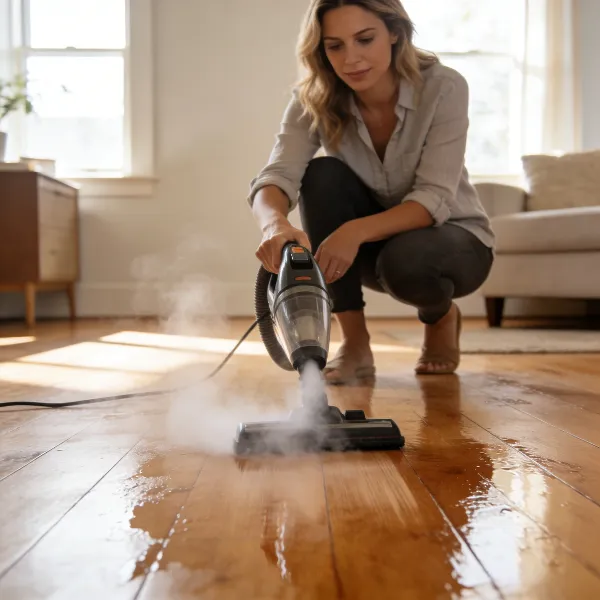
Steam cleaning is safe for wood floors that have been finished with a high-quality protective layer. This layer keeps moisture from penetrating the wood, so the steam stays on the surface. If your floor is sealed properly, steam can effectively lift dirt and grime without causing harm. However, always double-check the type of finish before moving forward.
With Low Steam and Short Passes
When using a steam cleaner, always set it to the lowest steam setting. Too much steam can cause moisture to seep into the wood, which can lead to swelling, warping, or even staining. Additionally, use short passes when cleaning. Avoid letting the steam linger in one spot for too long, as that can increase the risk of damage.
Only if the Manufacturer Allows It
Before you use a steam cleaner, it's crucial to check the manufacturer's recommendations. Some wood floor manufacturers might advise against using steam cleaners, while others may allow it, provided certain conditions are met. Always follow the manufacturer's instructions to avoid voiding any warranties or causing harm to the flooring.
When Not to Use a Steam Cleaner on a Wood Floor
Steam cleaning might seem like a quick fix, but there are situations where it can do more harm than good. Here's when you should steer clear of steam cleaners.
On Unfinished Wood
Unfinished wood is highly porous, which makes it especially vulnerable to steam. When moisture gets into unfinished wood, it can cause it to swell, warp, or even crack. Never use a steam cleaner on unfinished wood floors. Always ensure your floor is properly sealed before attempting to clean with steam.
On Worn or Damaged Floors
If your wood floor is already worn, scratched, or damaged, using a steam cleaner can worsen the problem. The moisture from the steam can damage the finish, leading to more wear and tear. For floors that are already showing signs of wear, it's better to stick to gentler cleaning methods, such as dry dusting or a damp microfiber mop.
On Waxed Floors
Waxed floors may have a shiny, protective layer that can easily be removed by steam. Steam cleaners can strip away the wax, leaving the wood exposed and vulnerable to dirt and stains. If your wood floor is waxed, avoid using a steam cleaner and opt for a waxing or polishing method instead.
On Some Engineered Wood Floors
Engineered wood floors have a thin veneer of real wood on top of a plywood base. While they're more durable than solid wood, they're still vulnerable to moisture. If you use a steam cleaner on engineered wood, the steam can seep through the top layer and damage the underlying plywood. Always check the manufacturer's guidelines to determine whether steam cleaning is safe for your engineered wood floor.
Risks of Using a Steam Cleaner on a Wood Floor
Even if you're using a steam cleaner properly, there are still some risks involved. Here's what you need to watch out for.
Moisture Can Seep Into the Wood
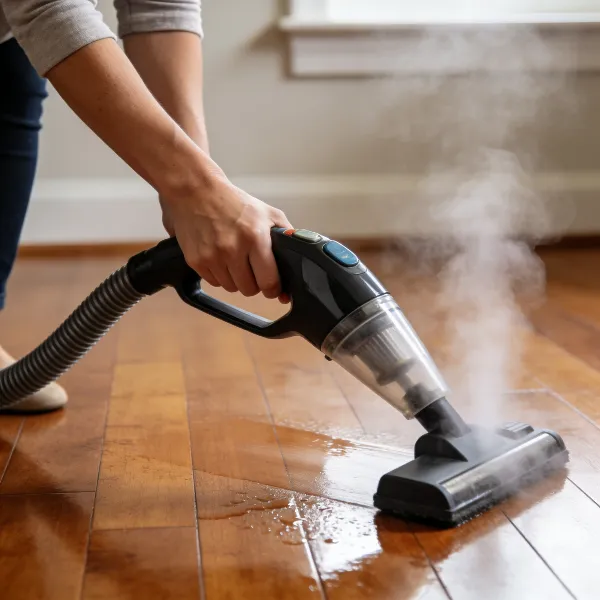
Moisture is the main risk when using a steam cleaner on wood floors. If too much steam is used, the moisture can seep into the wood, causing it to swell or warp. In extreme cases, the wood might even crack. It's important to use steam sparingly and always monitor how much moisture is on the floor.
The Finish Can Start to Lift
The heat from a steam cleaner can also cause the finish on your wood floor to start lifting. Once the finish starts to come off, the wood becomes more vulnerable to damage, including staining, scratches, and discoloration. Always ensure that the steam cleaner isn't too hot and that you don't leave it in one spot for too long.
The Wood Can Warp or Swell
If moisture gets into the wood, it can lead to swelling or warping. Even small amounts of steam can cause the wood to change shape, especially if it isn't sealed properly. This can be irreversible, so it's important to avoid excessive moisture when cleaning wood floors.
How to Clean a Wood Floor Safely
While steam cleaning might not always be the best option, there are safe and effective ways to clean your wood floors. Here's how to keep your floors looking great without causing damage.
Remove Dry Dirt First
Before you start cleaning, it's important to remove any dry dirt and debris. Use a broom, dust mop, or vacuum with a soft brush attachment to get rid of dirt and dust. This prevents particles from scratching the wood while you clean and ensures a smoother, more efficient cleaning process.
Damp Mop with Microfiber
The best way to clean a wood floor is with a damp microfiber mop. Microfiber mops are gentle and absorbent, so they won't leave excessive moisture on the floor. Just dampen the mop with water or a wood-floor cleaner and gently wipe down the surface. Avoid soaking the floor, as standing water can cause damage over time.
Use a Cleaner for Wood Floors
Always use a cleaner designed specifically for wood floors. All-purpose cleaners and harsh chemicals can strip the finish and cause discoloration. Look for a gentle, wood-friendly cleaner that's safe for your type of wood. This will help maintain the integrity of the finish and keep your floor looking new.
Mistakes to Avoid When Cleaning a Wood Floor
When cleaning wood floors, there are a few common mistakes that can cause damage. Avoid these errors to keep your floors in top shape.
Mopping Too Wet
Mopping too wet is one of the most common mistakes when cleaning wood floors. Excess moisture can seep into the wood, causing swelling, warping, and other types of damage. Always ensure that your mop is just damp, not soaking wet, to keep the moisture at a safe level.
Applying Too Much Pressure
Applying too much pressure when cleaning can also damage your wood floors. This can cause scratches, dents, and other forms of wear. Let the mop do the work for you and avoid pushing too hard. Light, even pressure is all you need to clean your floors without causing harm.
Using the Wrong Cleaners
It's essential to use the right cleaning products for your wood floors. Avoid using abrasive cleaners or chemicals that are not formulated for wood. Instead, choose a cleaner that's gentle yet effective, ensuring your floors stay in great condition over time.
Conclusion
So, can you use a steam cleaner on wood floors? The answer depends on the type of wood and its finish. Steam cleaning can be a safe option for properly sealed, finished floors when done with care. However, always check your manufacturer's guidelines and use steam sparingly to avoid moisture damage. If you're ever in doubt, a microfiber mop and a wood-friendly cleaner are your safest bet for keeping your floors looking beautiful for years to come.