How to Make Glass Cleaner at Home

By Luca

Homemade glass cleaner is simple, affordable, and highly suitable for daily household cleaning. With a few basic ingredients, you can make a reliable homemade glass cleaner for windows, mirrors, shower doors, and other glass surfaces around the house.Many store-bought cleaners do a good job, but they often contain added fragrance, dyes, or stronger chemicals that some people would rather skip. Making your own gives you more control over what you spray in your home. It can also cut down on plastic waste and save money over time.

how to make glass cleaner

What You Need to Make Glass Cleaner

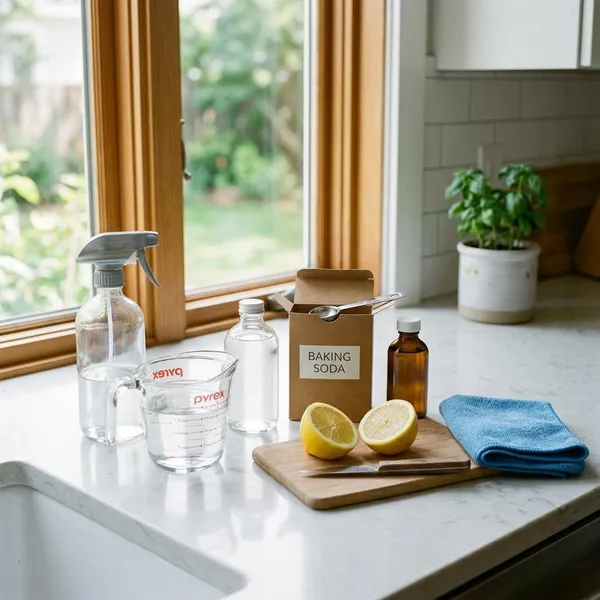
When learning how to make glass cleaner, it helps to know what each ingredient actually does. Most homemade recipes use only a few basics, but those ingredients affect how well the cleaner cuts through smudges, how quickly it dries, and whether it leaves streaks behind.

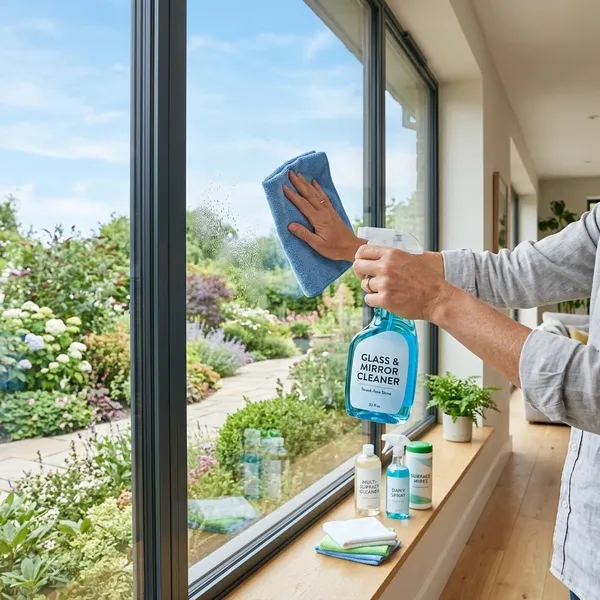
You also don't need special tools. In most homes, a measuring cup, funnel, spray bottle, and microfiber cloth are enough. Starting with the right ingredients makes the whole process easier and gives you better results on mirrors, windows, glass tables, and more.

Water Is the Base for Most Recipes

How to make glass cleaner usually starts with water. It acts as the base that dilutes stronger ingredients and helps the cleaner spread evenly across the glass. For the best results, many people use distilled water instead of tap water, especially if they live in an area with hard water.

That small choice can make a noticeable difference. Hard water often contains minerals that leave faint spots or streaks after drying. A bathroom mirror may look clean at first, then show cloudy lines when the light hits it. Distilled water helps reduce that problem and keeps the cleaner more consistent from batch to batch.

If distilled water is not available, tap water can still work for basic cleaning. Just know that the final finish may not be quite as clear, especially on large windows or dark-framed mirrors where residue tends to show more.

Vinegar Is a Common Cleaning Ingredient

How to make glass cleaner naturally often includes white vinegar. It's one of the most common ingredients in DIY cleaning because it helps break down light grease, fingerprints, dried water spots, and general film that builds up on glass over time.

Vinegar works because it is mildly acidic. That mild acidity helps loosen residue that plain water may leave behind. For example, kitchen windows can develop a thin layer of cooking grease, even if they do not look dirty at first glance. A vinegar-based cleaner can cut through that film better than water alone.

That said, vinegar is not a perfect choice for every surface. The glass may be fine, but nearby materials such as marble, natural stone, or some metal finishes may not react well if the cleaner drips or sits too long.

What You Need to Make Glass Cleaner

Easy Homemade Glass Cleaner Recipes

Once you understand the basics of how to make glass cleaner, the next step is choosing a recipe that fits the job. Not every mess is the same. Light fingerprints on a mirror need a different approach than greasy buildup on a kitchen window or a cloudy shower door.

The good news is that homemade cleaners are flexible. You can make a simple everyday spray, a faster-drying alcohol blend, or a soap-based mix for heavier grime. Some people also use cornstarch blends for polishing, although those take a little more care.

Below are several practical recipes that work well in real homes. Each one has strengths, and the best choice depends on what you're cleaning and how dirty the glass really is.

A Simple Vinegar and Water Mix Works for Everyday Cleaning

How to make glass cleaner in the simplest way is to mix equal parts white vinegar and distilled water. That's it. This recipe is great for everyday cleaning on mirrors, interior windows, glass cabinet doors, and patio doors with fingerprints or light dust.

For many households, this is the best place to start because it is quick, inexpensive, and easy to remake. It works well for basic smudges, pet nose prints, toothpaste splatter, and light bathroom residue. If you clean glass regularly, you may not need anything stronger most of the time.

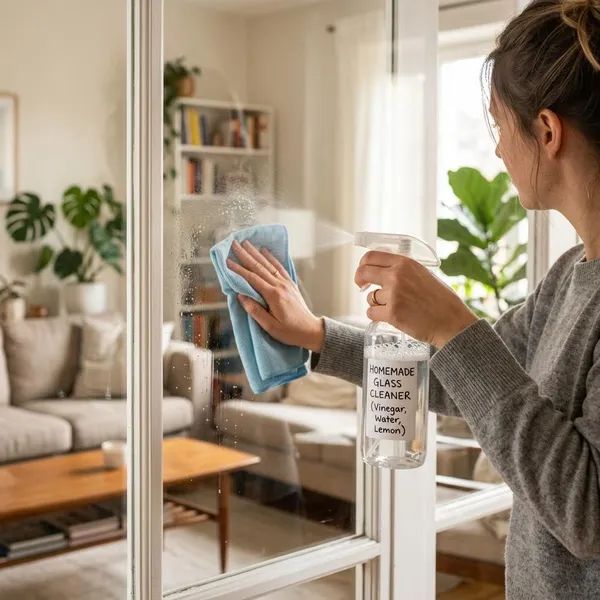
Use a light spray instead of soaking the surface. Then wipe with a clean microfiber cloth. Too much liquid can lead to drips, extra wiping, and more streaks, especially around window corners and frames.

Alcohol-Based Cleaner Dries Faster and Leaves Fewer Streaks

How to make glass cleaner that dries faster is also pretty simple. A common recipe is:

  • 1 cup distilled water
  • 1 cup rubbing alcohol
  • 1 tablespoon white vinegar

This blend is useful when you want a quick-drying, streak-resistant cleaner for mirrors, glass tables, and indoor windows. Rubbing alcohol evaporates faster than water, so it can leave less haze behind when used correctly.

That faster drying time matters in everyday life. If you clean a bathroom mirror right before guests arrive, or wipe a glass table just before dinner, you want the surface to dry quickly and clearly. This recipe is especially helpful in humid rooms where slower cleaners can leave a film.

Store alcohol-based cleaners in a tightly sealed bottle, and keep them away from heat or open flames.

A Dish Soap Mix Helps With Greasy Glass

How to make glass cleaner for greasy messes often means adding a little dish soap. A practical recipe is:

  • 2 cups water
  • 1/4 cup white vinegar
  • 2 to 3 drops of dish soap

This formula works well on kitchen windows, glass oven doors, glass tabletops, and other surfaces that collect oily residue. Dish soap helps break down grease so it lifts off the surface instead of smearing around.

The key is to use very little soap. A few drops are enough. If you add too much, the cleaner can leave a film that attracts dust and causes streaks. That is one of the most common mistakes with homemade glass cleaning.

A good example is a sliding glass door near a grill or patio kitchen. Airborne grease can settle on the glass over time, and plain vinegar may not fully cut through it. In that case, a soap-based recipe is usually more effective.

Cornstarch Blends Are Sometimes Used for Extra Shine

How to make glass cleaner for extra polishing sometimes includes cornstarch. A common version uses:

  • 2 cups warm water
  • 1/4 cup white vinegar
  • 1/4 cup rubbing alcohol
  • 1 tablespoon cornstarch

Some people like this recipe because cornstarch may help buff the glass and reduce dull-looking haze. It can work well for occasional polishing, especially on mirrors or decorative glass.

Still, this is not the easiest recipe for everyday use. Cornstarch settles quickly, so the bottle needs a good shake before each use. If it is not mixed well, it can leave specks or residue on the glass.

For that reason, this blend is better for occasional use than daily cleaning. If you try it, test it first on a small area so you can see how it wipes and dries in your home.

How to Make Glass Cleaner Step by Step

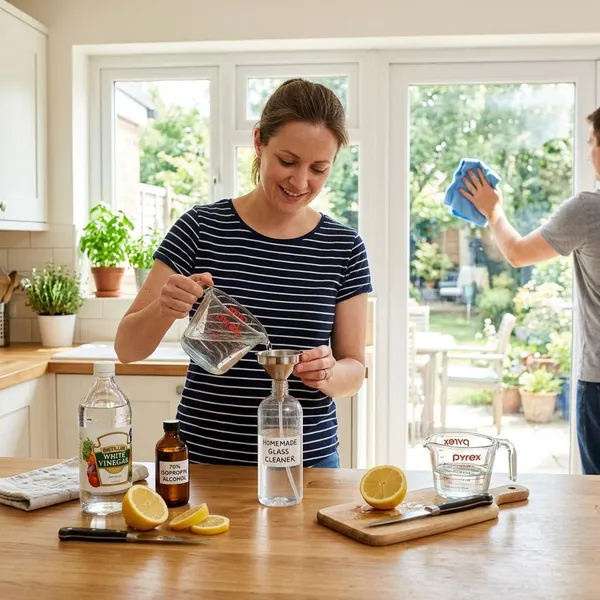
Once you've picked a recipe, the next part of how to make glass cleaner is making sure you mix it properly. Even a good formula can disappoint if the bottle is dirty, the measurements are off, or the ingredients are not blended well.

The good news is that the process is simple. You do not need much time or equipment. A few small habits, like measuring carefully and using a clean bottle, can make your homemade cleaner work much better and more consistently.

Measure the Ingredients Carefully

How to make glass cleaner successfully starts with accurate measuring. It may be tempting to guess, but small changes can affect how the cleaner performs. Too much vinegar can make the smell stronger without improving results. Too much soap can leave a residue. Too much alcohol may evaporate too quickly to loosen dirt well.

Careful measuring also makes it easier to repeat a recipe that worked well. If one batch leaves your bathroom mirrors sparkling, you'll want the next batch to do the same. Using standard measuring cups and spoons helps keep things predictable.

It can also help to write down the recipes you like best. That way, if you make one cleaner for everyday use and another for greasy glass, you can remake each one without guessing.

Mix Everything in a Clean Spray Bottle

How to make glass cleaner the right way also means using a clean spray bottle. If the bottle used to hold another cleaning product, rinse it thoroughly first. Leftover chemicals or soap can change how the new mixture sprays, smells, or performs on glass.

A funnel makes pouring easier and keeps your work area cleaner. A fine-mist spray bottle is better than one with a strong stream because it spreads the cleaner more evenly and helps you avoid over-wetting the surface.

Clear bottles are helpful because you can see the liquid level and notice if ingredients separate over time. For most families, a 16-ounce spray bottle is a practical size. It is easy to hold, simple to refill, and light enough for larger cleaning jobs.

Shake Gently Before Each Use

How to make glass cleaner is only part of the story. You also need to keep the mixture blended. Many homemade cleaners separate as they sit, especially if they contain vinegar, soap, or cornstarch. A few gentle shakes before use usually solve that problem.

This matters because uneven cleaner leads to uneven results. The first few sprays may be mostly water, while the last few may be more concentrated. That can leave streaks or make the cleaner feel inconsistent from one use to the next.

Soap-based and cornstarch-based recipes need this extra step the most. Make it a habit to shake the bottle lightly, spray a small amount, and wipe right away.

Which Recipe Works Best for Different Jobs

A big part of learning how to make glass cleaner is knowing that one recipe does not fit every cleaning task. Light smudges, greasy film, and quick touch-ups all call for slightly different formulas.

Matching the cleaner to the job saves time and usually gives you a better finish. It also reduces scrubbing, which can spread dirt around or leave streaks on the glass. Think of homemade cleaners as simple tools with different strengths.

Vinegar Cleaner Suits Light Everyday Marks

How to make glass cleaner for regular upkeep is usually easiest with a vinegar-and-water mix. This recipe works well on common household marks such as fingerprints, light dust, toothpaste spots, and pet nose prints on doors or windows.

It is a smart choice for families because it is low-cost and easy to keep on hand. If kids touch the hallway mirror every day or the front door glass always seems to collect smudges, this is usually enough to handle it.

It works best when the glass is not heavily greasy. For routine maintenance on mirrors, bedroom windows, and most indoor glass, it is often the most practical homemade option.

Alcohol Cleaner Works Well for Fast Drying

How to make glass cleaner for speed often means using an alcohol-based formula. This type of cleaner is especially helpful when you want the surface to dry quickly with less chance of streaking.

It works well on vanity mirrors, interior glass, and glass tables that need a fast touch-up. For example, if you are cleaning a bathroom mirror before work or wiping fingerprints off a dining table before guests arrive, quick drying can make the job easier.

It also performs well in humid rooms, where water-heavy cleaners may linger too long. Just work in small sections, because alcohol evaporates quickly. Spray, wipe, and move on rather than coating a large area all at once.

Soap-Based Cleaner Is Better for Heavier Dirt

How to make glass cleaner for dirtier surfaces often means adding a little dish soap. Soap-based recipes are better for glass with oily fingerprints, cooking residue, outdoor grime, or a dull film that basic vinegar alone cannot remove.

This is especially useful in high-traffic areas. Think about a kitchen window above the sink, a glass coffee table used for snacks and crafts, or a storm door exposed to outdoor dust and rain spots. Those surfaces usually need more than a simple daily-use spray.

Even with a soap-based cleaner, use a light hand. After cleaning, you can follow with a small mist of vinegar-and-water or alcohol-based cleaner if you want a clearer final shine.

Which Recipe Works Best for Different Jobs

How to Use Homemade Glass Cleaner Well

Knowing how to make glass cleaner is helpful, but good technique matters just as much. Even the best homemade formula can leave streaks if you use too much liquid, wipe with the wrong cloth, or clean glass in direct sunlight.

A few simple habits can make a big difference. Spray lightly, use the right cloth, and pay attention to the conditions around you. These small changes often improve results more than changing the recipe.

Spray Lightly Instead of Soaking the Surface

How to make glass cleaner work better often comes down to using less of it. A light mist is usually enough. If you soak the glass, the cleaner can drip into corners, run down frames, and create more work.

Too much liquid also makes it easier to spread dirt around instead of lifting it away. On most mirrors and medium-size windows, one or two sprays per section is enough. If the glass is especially dirty, wipe away loose dust first, then spray again.

This approach works especially well on framed mirrors and windows with wood trim, where too much moisture can be a problem over time.

Wipe With a Microfiber Cloth for Fewer Streaks

How to make glass cleaner pay off depends a lot on what you use to wipe it. A clean microfiber cloth is one of the best choices because it picks up dust, absorbs moisture well, and leaves less lint than paper towels or old rags.

The cloth itself needs to be clean. If it has grease, fabric softener, or leftover detergent in it, that residue can transfer to the glass. Many streak problems come from the cloth, not the cleaner.

If possible, keep a few microfiber cloths just for windows and mirrors. Fold the cloth into sections so you can switch to a dry side as you clean. That makes it easier to get a crisp, clear finish.

Clean on a Cooler or Cloudy Day When Possible

How to make glass cleaner work on windows is also affected by temperature and sunlight. If the glass is hot, the cleaner can dry before you finish wiping it. That often leads to haze, lines, or dried droplets.

This is most noticeable on outdoor windows and sliding glass doors in direct sun. If you clean on a cooler or cloudy day, you get more time to wipe the surface evenly before the cleaner evaporates.

If you have to clean on a sunny day, work on the shaded side of the house first. Indoors, avoid cleaning glass right next to strong heat vents or very warm windows for the same reason.

How to Use Homemade Glass Cleaner Well

What to Avoid When Making or Using It

Part of learning how to make glass cleaner is knowing what can go wrong. Most homemade recipes are simple, but a few common mistakes can lead to cloudy results, stubborn streaks, or damage to nearby materials.

The good news is that these problems are easy to avoid once you know what to watch for. In most cases, the issue is not the recipe itself. It is too much soap, the wrong surface, or a dirty cloth.

Too Much Soap Can Leave Residue

How to make glass cleaner with dish soap requires restraint. A little soap helps with grease, but too much will leave a film. That film can look cloudy as the glass dries and may attract dust faster afterward.

This is especially noticeable on glass tables, dark mirrors, and sunlit windows where streaks are easy to see. Start with just a few drops. More is rarely better.

If you accidentally make a batch that feels too soapy, add more water and test it again. In most cases, a weaker soap mix performs better and wipes off more cleanly.

Some Surfaces Do Not Handle Vinegar Well

How to make glass cleaner with vinegar is popular, but vinegar is not right for every situation. It usually works well on plain glass, but nearby materials may be more sensitive. Natural stone, unsealed grout, and some metal finishes may be damaged by acidic drips.

For example, a mirror above a marble vanity may be fine if you spray the cloth instead of the glass. That gives you better control and lowers the risk of cleaner running onto the stone.

If you are not sure whether a surface is safe, test in a small hidden area first. When in doubt, an alcohol-and-water mix may be a safer option near delicate materials.

Dirty Cloths Can Make Glass Look Worse

How to make glass cleaner isn't the only thing that matters. A dirty cloth can ruin the result, even if your recipe is perfect. Grease, lint, dust, and laundry residue can all transfer back onto the glass and leave it looking worse.

This is a common problem with reused kitchen towels or paper towels that shed fibers. Instead, use freshly cleaned microfiber cloths that have been washed without fabric softener.

For larger jobs, it helps to use one cloth for wiping off the cleaner and another dry cloth for a final buff. That simple step often makes mirrors and big windows look noticeably clearer.

How to Store Homemade Glass Cleaner

After you learn how to make glass cleaner, storing it the right way helps it stay effective and safe to use. Homemade mixtures are simple, but they can still lose strength or become inconvenient if they are kept in the wrong container or left in a hot spot.

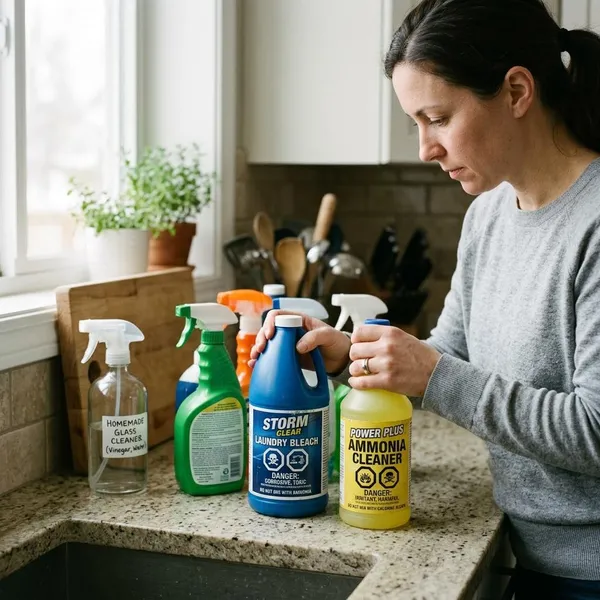
A good storage routine also makes life easier. You will know what is in each bottle, how old it is, and whether it is still worth using. This matters even more in busy family homes, where multiple cleaners may be stored together.

Use a Clean, Sealed Bottle

How to make glass cleaner is simple, but storage still matters. Always keep it in a clean bottle that seals tightly. That helps prevent leaks, keeps dust out, and slows evaporation.

This is especially important for alcohol-based cleaners, since alcohol evaporates more quickly than water. If the bottle does not seal well, the formula can change over time and stop working the way you expect.

A proper spray bottle is the best option. It makes the cleaner easier to use and gives you more control during application. If the nozzle clogs, rinse it with warm water before using it again.

Label the Mixture Clearly

How to make glass cleaner may seem easy to remember, but labeling the bottle is still a smart idea. Write down the ingredients or the type of formula, along with the date you mixed it.

This helps you keep track of which bottle contains vinegar, alcohol, or soap. It also makes it easier to identify the recipe that worked best for mirrors, kitchen glass, or heavier grime.

In a family home, labeling is also a basic safety step. It reduces confusion and helps everyone use the right cleaner for the right job.

Keep It Away From Heat and Direct Sunlight

How to make glass cleaner is only part of the process. You also want to protect the mixture after it is made. Store the bottle in a cool, dry place away from direct sunlight and heat sources.

This is especially important for alcohol-based blends, which can evaporate faster in warm conditions. Leaving the bottle in a hot car, on a sunny windowsill, or near a stove can shorten its useful life.

A laundry shelf, cleaning caddy, or under-sink cabinet often works well if the area stays reasonably cool. If the cleaner changes smell, color, or performance, it is usually best to make a fresh batch.

Conclusion

The ingredients required for homemade glass cleaner are very simple: water, white vinegar, rubbing alcohol, and a small amount of dish soap. The best recipe depends on what you are cleaning. A basic vinegar-and-water mix is great for daily smudges, an alcohol blend dries faster, and a soap-based version works better on greasy buildup.The real secret to how to make glass cleaner work well is using the right formula for the job and applying it with good technique. Measure carefully, spray lightly, wipe with a clean microfiber cloth, and avoid cleaning hot glass in direct sunlight.

FAQ

What Is the Easiest Homemade Glass Cleaner Recipe?
The easiest recipe is equal parts white vinegar and distilled water in a clean spray bottle. It is quick to make, affordable, and effective for everyday cleaning on mirrors, windows, and many other glass surfaces.
Can You Use Vinegar on All Glass Surfaces?
No. Vinegar is usually fine on plain glass, but it may not be ideal around natural stone, some metal finishes, or specialty coatings. In many cases, the glass itself is safe, but the surrounding materials may not be.
How Long Does Homemade Glass Cleaner Last?
Most homemade glass cleaner recipes last several weeks to a few months when stored in a clean, sealed bottle away from heat and sunlight. Alcohol-based recipes may hold up well if tightly sealed, while soap-based blends are best made in moderate amounts and used regularly.